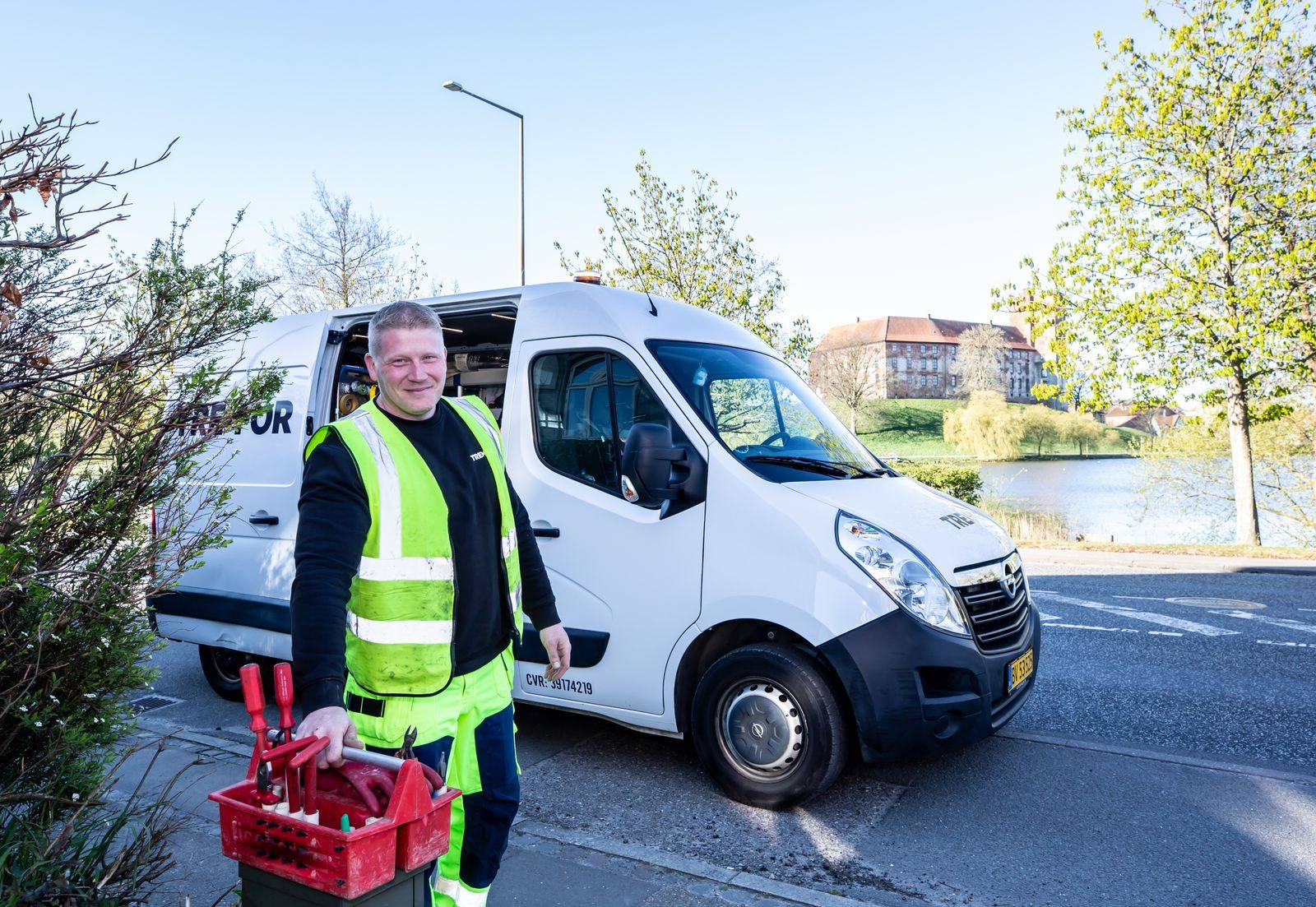
Most water heater trouble can wait for a scheduled visit. A few situations cannot, and knowing the difference protects both your home and your family. A tank that has split along a seam does not stop after emptying its own capacity, because the cold supply keeps pushing fresh water in, so an unattended leak can send hundreds of gallons through flooring, drywall, and the rooms below. A temperature and pressure relief valve that keeps discharging is warning you that pressure or heat inside the tank has gone past its safe limit. Water coming out of the taps hot enough to scald usually points to a thermostat or gas control that has failed on the hot side. And any smell of gas near the heater is a safety event before it is a repair job. In Norfolk, VA, these are the calls we treat as true emergencies.
Safety comes before the phone call to us. If you smell gas, get everyone outside immediately, do not flip light switches or unplug anything on the way out, and call your gas utility or 911 once you are clear of the house. Once gas is ruled out, close the cold-water shutoff on the line feeding the heater; if it is stuck or out of reach, shut the main water valve for the house. On a gas unit, set the gas control to OFF. On an electric unit, switch off its breaker, and never touch the panel while standing in water. If the relief valve is discharging, do not cap it or plug the discharge pipe, because that valve is the only thing keeping an overheated tank from failing violently. Then call (757) 290-7391 and our team will pick it up from there.
When you reach Norfolk Water Heater, we start by asking what you see, hear, and smell, and we confirm the shutoffs are holding before a truck rolls. We dispatch as quickly as we can and give you an honest arrival window rather than a promise we cannot keep. Our trucks carry the parts behind most urgent failures, including relief valves, thermocouples, flame sensors, heating elements, thermostats, drain valves, and supply connectors, so plenty of emergencies are fixed in a single visit. When the tank itself has failed, patching it would not be honest work, so we explain replacement options, secure the area, and restore hot water as soon as the new heater is in. For emergency water heater repair in Norfolk, call (757) 290-7391.
Our most requested service is Water Heater Repair in Norfolk. That's the place to start for most homes.
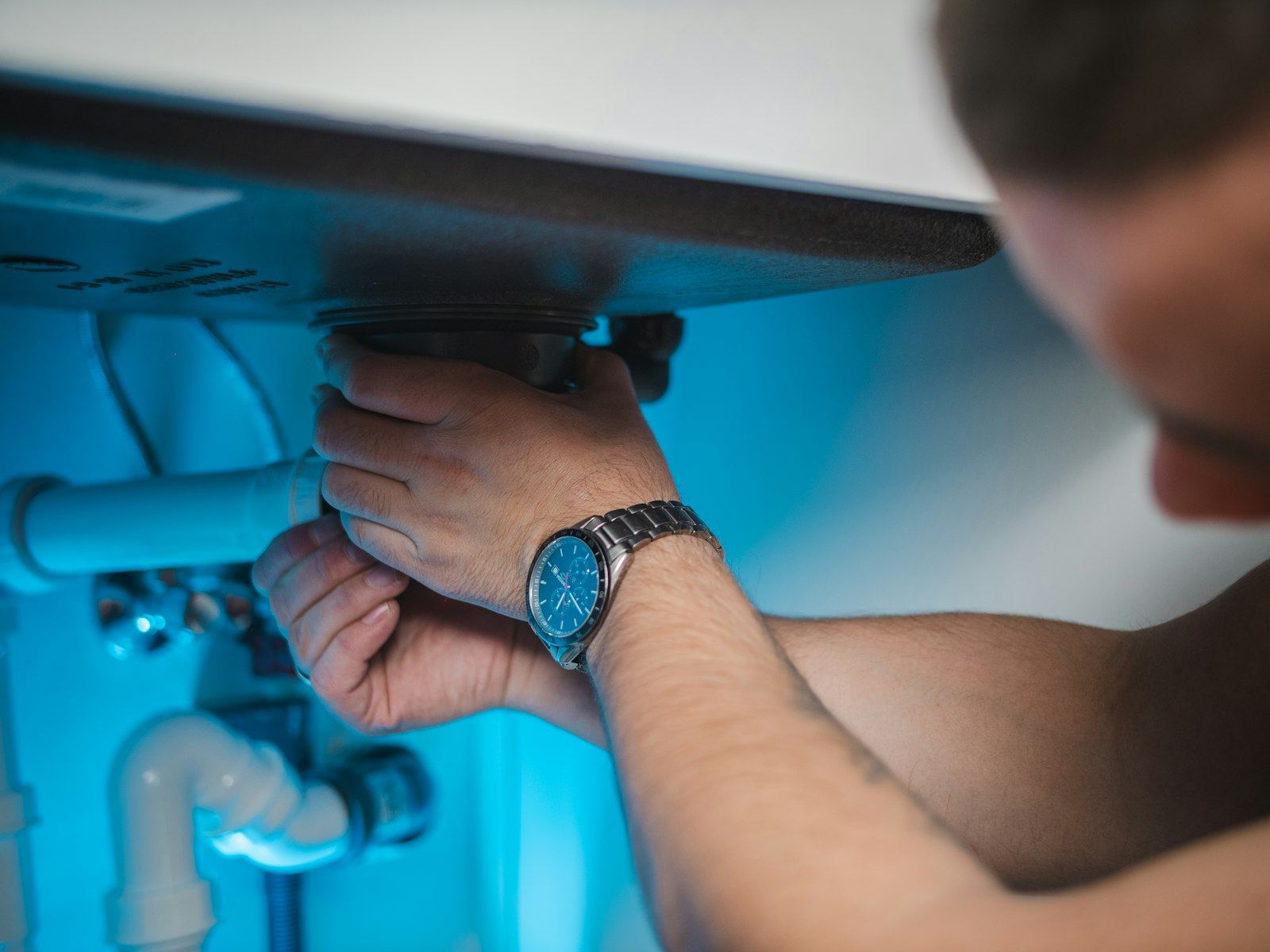
When to Call for Emergency Water Heater Repair
Most tanks announce trouble weeks or months ahead with rumbling noises, rusty water, or hot showers that keep getting shorter. Keep an eye out for the following:
- Loud popping, banging, or rumbling from the tank that has gotten worse quickly
- Water at the tap that is suddenly scalding hot
- Black soot or heat discoloration around the burner door or draft hood
- The smell of gas near the unit, a situation that calls for evacuating and phoning the utility or 911
- The relief valve on the side of the tank dripping, hissing, or discharging
- Water pooling around the base of the heater or spreading across the floor
- A breaker that trips every time the electric heater tries to run
- No hot water at all, even after waiting for the tank to recover
Early Action Saves Money
Tanks rarely fail all at once. They corrode from the inside for months, and the warning signs show up long before the floor gets wet. A quick call to (757) 290-7391 gets a technician out to check it before it becomes an emergency.
No Hot Water? We Can Help.
We'll diagnose the problem and give you a straight answer on the fix.
Call (757) 290-7391 NowCommon Questions We Hear
Why Professional Emergency Water Heater Repair Matters
It is tempting to treat a leaking or dead water heater as a quick fix. In reality, you may be dealing with standing water beside 240-volt wiring, a gas supply and live burner a few inches from a puddle, and a tank of very hot water under pressure. The relief valve, if it is firing, is the last safeguard between an overheated tank and a violent failure, and plugging it is one of the most dangerous things anyone can do to a heater. Relighting a pilot while gas lingers, or forcing a rusted connection, can make things much worse. Evacuate for gas, isolate, then phone is the right sequence for anyone without the tools and training.
Professional help is not just about having wrenches. It is about knowing why the failure happened so it does not happen again next month. When a relief valve discharges, we measure static water pressure and check whether an expansion tank is missing or waterlogged. When a tank floods the floor, we locate the true source, whether it is the valve, a fitting, a connector, or the tank wall. When a gas heater dies, we check thermocouple or flame sensor signal, gas pressure, and venting before restarting it. That diagnosis decides the fix. Components can be replaced the same visit; a failed tank cannot be patched, and you hear that straight and explain the replacement path.
Step by Step: How a Visit Works
We work through a clear, repeatable process so you always know what's happening and what it will cost. Here's a look at each step our team takes:
Make It Safe by Phone
We start on the phone: confirm there is no gas odor, help you close the cold supply and turn off gas or power, and talk through what to move out of the water's path.
Dispatch & Site Safety
A technician heads out as quickly as the schedule allows, with an honest arrival window. On site we verify water, fuel, power, and venting are safe before any diagnosis begins.
Repair or Honest Replacement
If a component failed, we replace it right there. If the tank itself is leaking, we explain why it cannot be patched and walk you through replacement options and pricing.
Restart & Verification
We refill the tank, purge air from the lines, restart the heater, check every joint for leaks, confirm the relief valve seats, and set the temperature to a safe 120F.
Water Heater Care Tips From Our Technicians
A few preventive steps can help you avoid a cold shower or a wet floor down the road. Here's where to begin:
- Consider an automatic leak shutoff that stops the cold supply the moment water hits the floor
- Check the temperature and pressure relief valve each year so you know it will work when it matters
- Keep the thermostat near 120F to limit scalding and reduce strain on the tank
- Find and label the cold-water shutoff at the heater and the main house valve now, before you ever need them
- A drain pan with a proper drain line under the tank can turn a flood into a manageable puddle
- Flush sediment from the tank yearly, since buildup overheats the bottom and speeds corrosion
- Keep boxes, paint, gasoline, and cleaning products well away from a gas water heater
Should You DIY or Call a Pro?
Online videos may help in a pinch, yet lasting repairs and code-compliant installs depend on correct venting, proper relief valve discharge piping, and a trained technician. A side-by-side look:
| Consideration | Doing It Yourself | Professional Service |
|---|---|---|
| Gas Safety | Risk of ignition while investigating | Gas utility first, then tested with proper tools |
| Water Control | Seized valves forced until they break | Supply isolated fast, stuck valves handled safely |
| T&P Discharge | Valve ignored or blocked off | Root cause measured and corrected |
| Power & Water | Handling 240V near standing water | Breaker isolated and wiring checked first |
| Finding the Cause | Symptom treated, source unknown | Exact source traced before parts are swapped |
| Result | Problem likely to return | Safe restart, verified dry and working |
Talk to Our Emergency Water Heater Repair Team
Get your hot water back before a small fault turns into a flooded floor. Norfolk Water Heater is ready to respond fast.
Get Help: (757) 290-7391Emergency Water Heater Repair Across the Norfolk Area
Our service area reaches well past the city limits. Choose your community for local details.